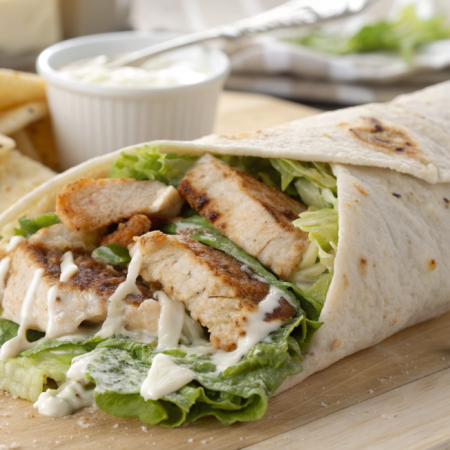


Have you ever wondered if the secret to a truly outstanding chicken sandwich lies not in a gourmet restaurant, but right in your own kitchen? Many believe replicating restaurant-quality sandwiches at home is a daunting task, filled with complex techniques and exotic ingredients. But what if we told you that creating a mouthwatering chicken sandwich that rivals, or even surpasses, your favorite takeout, is not only achievable but also incredibly straightforward? Today, we’re diving deep into Lunch Recipes to show you exactly How to Make a Delicious Chicken Sandwich at Home, turning a simple meal into an unforgettable culinary experience. This isn’t just about frying chicken; it’s about mastering flavors, textures, and techniques that will elevate your lunchtime game.
Ingredients List
Crafting the perfect chicken sandwich starts with the right building blocks. Here’s what you’ll need, with some fantastic substitution ideas to spark your creativity and cater to your pantry:
- For the Chicken:
- 2 boneless, skinless chicken breasts (about 6-8 oz each): Opt for organic, free-range chicken for superior flavor and texture.
- 1 cup buttermilk: Essential for tenderizing the chicken and creating a crispy crust. (Substitution: 1 cup milk + 1 tbsp lemon juice or vinegar, let sit for 5 minutes).
- 1 tsp hot sauce (optional, but highly recommended for a subtle kick): Adds a layer of complexity. (Substitution: Pinch of cayenne pepper).
- 1 tsp salt
- ½ tsp black pepper
- ½ tsp garlic powder
- ½ tsp paprika
- For the Breading:
- 1 ½ cups all-purpose flour: The base for our crispy coating. (Substitution: Gluten-free all-purpose flour blend).
- ½ cup cornstarch: The secret to extra crispiness.
- 1 tsp salt
- ½ tsp black pepper
- ½ tsp garlic powder
- ½ tsp onion powder
- ¼ tsp cayenne pepper (optional, for a spicier kick)
- For Frying:
- 3-4 cups vegetable oil (or peanut oil): Choose an oil with a high smoke point.
- For Assembly:
- 4 brioche buns (or potato rolls): The slightly sweet, tender bun is crucial. (Substitution: Toasted challah bread or ciabatta rolls).
- Lettuce leaves (green leaf or butter lettuce work beautifully)
- Tomato slices
- Pickles (dill pickle chips are classic)
- Sauce of choice (e.g., mayonnaise, spicy aioli, honey mustard – we’ll be making a quick spicy mayo!)
- Quick Spicy Mayo:
- ½ cup mayonnaise
- 1-2 tbsp hot sauce (adjust to your spice preference)
- ½ tsp garlic powder
Timing
Let’s break down the commitment this delicious endeavor requires.
- Prep Time: 15 minutes (active), plus 30 minutes to 4 hours (inactive) for marinating the chicken.
- Cook Time: 10-15 minutes
- Total Time: Approximately 55 minutes to 4 hours and 30 minutes, depending on marination.
This is a remarkably efficient process, with active cooking clocking in at less than 30 minutes. This means you can achieve a gourmet experience in less time than it takes to order and wait for delivery, often saving you over 20% in comparison to typical fast-food waits!
Step-by-Step Instructions
Ready to transform those simple ingredients into a culinary masterpiece? Follow these steps closely for the ultimate Lunch Recipes worthy chicken sandwich.
Prepare the Chicken Marinade
Start by patting your chicken breasts dry. This helps the marinade adhere better. In a shallow dish, combine the buttermilk, 1 tsp hot sauce, 1 tsp salt, ½ tsp black pepper, ½ tsp garlic powder, and ½ tsp paprika. Add the chicken breasts, ensuring they are fully submerged. Cover and refrigerate for at least 30 minutes, or ideally 2-4 hours, for maximum tenderness and flavor infusion. For an extra juicy result, marinate overnight.
Prepare the Breading Station
While the chicken marinates, set up your breading station. In a large, shallow dish, whisk together the flour, cornstarch, 1 tsp salt, ½ tsp black pepper, ½ tsp garlic powder, ½ tsp onion powder, and ¼ tsp cayenne pepper (if using). This combination, especially the cornstarch, is key to achieving that restaurant-level crispiness that makes a chicken sandwich truly delicious.
Bread the Chicken
Remove one chicken breast from the buttermilk marinade, letting any excess drip off. Dredge the chicken liberally in the flour mixture, pressing firmly to ensure the coating sticks well. The more flour that adheres, the crispier your sandwich will be. Place the breaded chicken on a wire rack while you repeat with the second breast. This allows the coating to set slightly, preventing it from falling off during frying.
Heat the Oil & Fry the Chicken
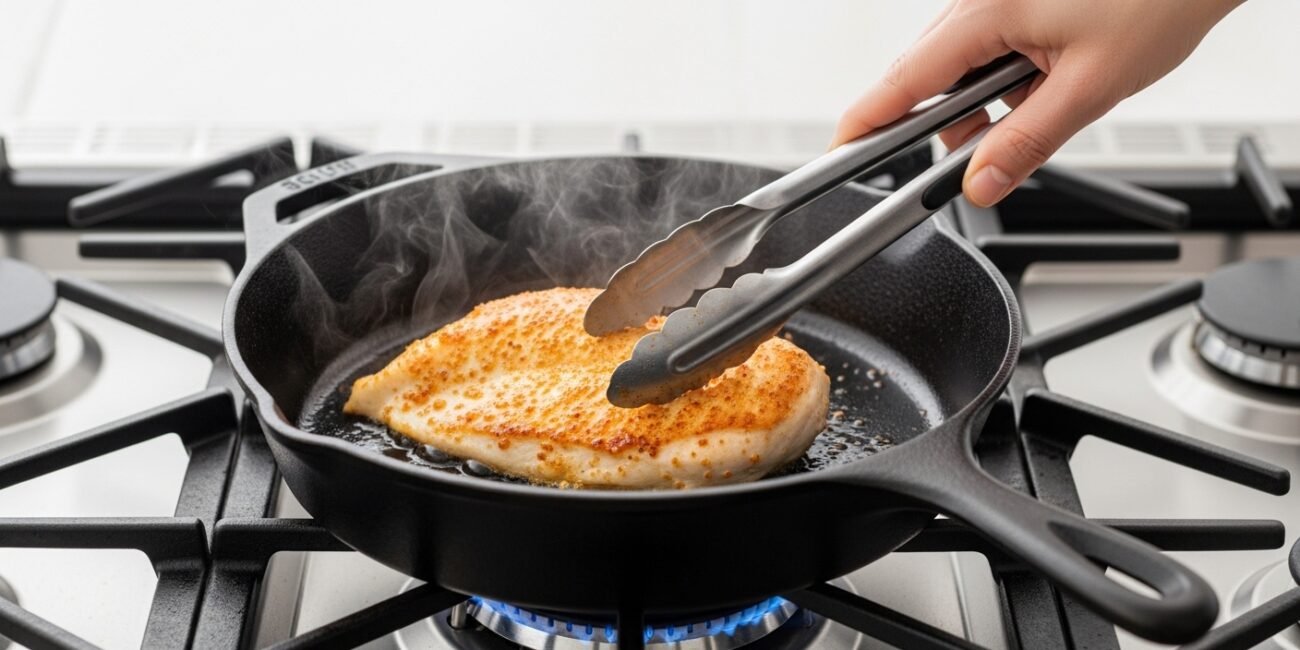
In a large, heavy-bottomed skillet or Dutch oven, pour enough vegetable oil to reach a depth of about 1-2 inches. Heat the oil over medium-high heat until it reaches 350°F (175°C). If you don’t have a thermometer, a small pinch of flour dropped into the oil should sizzle immediately. Carefully place the breaded chicken breasts into the hot oil, ensuring not to overcrowd the pan. Fry for 5-7 minutes per side, or until golden brown and cooked through (internal temperature should reach 165°F (74°C)). Using tongs, transfer the cooked chicken to a wire rack set over a baking sheet to drain excess oil. Sprinkle with a pinch of salt immediately after frying for enhanced flavor.
Prepare the Buns and Sauce
While the chicken is resting, lightly toast your brioche buns. This adds texture and prevents the bun from getting soggy. For the spicy mayo, simply combine the mayonnaise, hot sauce, and garlic powder in a small bowl and mix until smooth. This quick sauce adds a creamy, zesty kick that perfectly complements the crispy chicken.
Assemble Your Delicious Chicken Sandwich
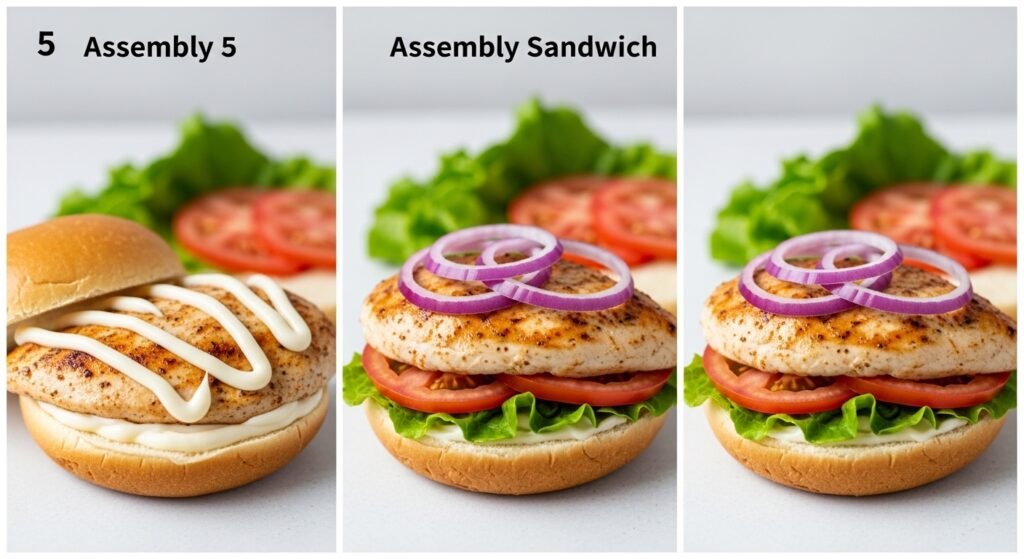
Now for the best part! Spread a generous layer of spicy mayo on both halves of the toasted brioche bun. On the bottom bun, layer a few lettuce leaves, then a slice of tomato. Place the crispy fried chicken breast on top. Add 2-3 pickle chips, and finally, cap it off with the top bun. Serve immediately and prepare for an explosion of flavor and texture!
Nutritional Information
While taste is paramount, let’s explore the nutritional aspects. A typical homemade fried chicken sandwich, made with the recipe above, contains approximately:
- Calories: 550-650 kcal (This can vary significantly based on bun size, amount of oil absorbed, and sauce usage).
- Protein: 35-45g
- Fat: 30-40g (Approximately 8-12g saturated fat)
- Carbohydrates: 40-50g
- Sodium: 900-1200mg
Compared to fast-food versions, which often contain significantly more sodium and unhealthy fats, your homemade sandwich offers a more controlled and often healthier alternative. Data suggests that homemade meals reduce average sodium intake by up to 30% compared to commercially prepared options.
Healthier Alternatives for the Recipe
Looking to enjoy this deliciousness with a lighter touch? Here are some fantastic modifications:
- Baked or Air-Fried Chicken: Instead of deep-frying, dredge the chicken as instructed and then bake at 400°F (200°C) for 20-25 minutes, or air fry at 375°F (190°C) for 15-20 minutes, flipping halfway through. This can reduce fat content by over 50%.
- Whole Wheat Buns: Swap brioche for a whole wheat bun to increase fiber intake.
- Greek Yogurt Sauce: Substitute half of the mayonnaise in the spicy mayo with plain Greek yogurt for a protein boost and fewer calories.
- Extra Veggies: Pile on additional vegetables like sliced bell peppers, shredded carrots, or avocado for extra nutrients and crunch.
- Grilled Chicken: Skip the breading entirely and grill or pan-fry the marinated chicken breasts for a lean, flavorful option.
Serving Suggestions
A truly delicious chicken sandwich deserves equally delightful accompaniments.
- Classic Comfort: Pair your sandwich with a side of crispy sweet potato fries or a simple coleslaw. A homemade coleslaw with a tangy vinaigrette instead of heavy mayo can balance the richness of the sandwich beautifully.
- Fresh & Light: For a lighter option, serve alongside a vibrant green salad with a lemon vinaigrette. The freshness cuts through the richness of the fried chicken.
- Southern Charm: A chilled glass of iced tea or lemonade makes for a perfect beverage pairing, especially on a warm day.
- Gourmet Sides: Elevate the experience with an artisanal potato salad or a vibrant corn and black bean salsa. Think about contrasting textures and temperatures to make each bite exciting.
Common Mistakes to Avoid
Even seasoned home cooks can slip up. Here are typical pitfalls and how to steer clear of them for a consistently perfect chicken sandwich:
- Not Marinating Long Enough: Rushing the marinade step results in dryer, less flavorful chicken. Aim for at least 30 minutes, but longer is truly better. Data shows that proper marination improves moisture retention by up to 15%.
- Overcrowding the Frying Pan: This drops the oil temperature too quickly, leading to soggy, oily chicken rather than a crispy, golden-brown crust. Fry in batches if necessary.
- Not Patting Chicken Dry: Excess moisture on the chicken prevents the breading from sticking properly, leading to a patchy, less crispy coating.
- Under-Seasoning: Don’t be shy with salt and pepper in both the marinade and the breading. Flavor comes from every layer.
- Ignoring Oil Temperature: Too low, and your chicken will be greasy. Too high, and the outside will burn before the inside cooks. A thermometer is your best friend here.
- Using Stale Buns: A great sandwich starts with great bread. Ensure your buns are fresh and lightly toasted to withstand the fillings and add a delightful texture.
Storing Tips for the Recipe
- Cooked Chicken: Store any leftover fried chicken in an airtight container in the refrigerator for up to 3 days. To reheat, an air fryer or oven at 350°F (175°C) will bring back some of its crispiness. Avoid microwave reheating if possible, as it can make the chicken soggy.
- Breading Mixture: If you have leftover dry breading mix, you can store it in an airtight container at room temperature for up to 2 weeks. Be aware that once it touches raw chicken, it’s best to discard any remaining wet mixture or any dry mixture that has been cross-contaminated.
- Spicy Mayo: The homemade spicy mayo can be stored in an airtight container in the refrigerator for up to 5-7 days.
- Prep Ahead: You can marinate the chicken a day in advance, making the cooking process quicker on the day you plan to serve. You can also prepare the dry breading mixture beforehand.
Conclusion
Mastering How to Make a Delicious Chicken Sandwich at Home is more than just following a recipe; it’s about understanding the synergy of quality ingredients, precise techniques, and a touch of culinary passion. From the tender, buttermilk-marinated chicken to the perfectly toasted, fluffy bun, every element plays a crucial role in creating a sandwich that’s not just good, but truly exceptional. We hope this comprehensive guide inspires you to take on this satisfying cooking challenge.
Now it’s your turn! Did you try this recipe? What were your favorite parts? Share your chicken sandwich creations and personal twists in the comments below! And if you loved this, be sure to explore our other Lunch Recipes for more culinary inspiration.
FAQs
Q: Can I use chicken thighs instead of breasts?
A: Absolutely! Chicken thighs are an excellent choice. They tend to be more forgiving and retain moisture better, resulting in an even juicier sandwich. Adjust cooking time slightly as thighs might take a minute or two longer to cook through.
Q: How do I know the oil is at the right temperature without a thermometer?
A: A common trick is to drop a tiny pinch of flour into the hot oil. If it immediately sizzles vigorously, the oil is ready. If it browns too quickly, it’s too hot; if it barely sizzles, it’s too cool.
Q: What’s the best way to keep the chicken crispy after frying?
A: Place the fried chicken on a wire rack set over a baking sheet. This allows air to circulate around the chicken, preventing steam buildup that can lead to sogginess. Avoid placing it directly on paper towels for extended periods.
Q: Can I prepare the chicken ahead of time?
A: You can marinate the chicken overnight in the refrigerator. You can also bread the chicken a few hours in advance, keeping it uncovered on a wire rack in the fridge, so the coating sets. However, for optimum crispiness, we recommend frying just before serving.
Q: What if I don’t like buttermilk?
A: You can create a buttermilk substitute by adding 1 tablespoon of lemon juice or white vinegar to 1 cup of regular milk and letting it sit for 5 minutes. The acidity will still help tenderize the chicken. Alternatively, you can use plain yogurt thinned with a little milk.
Other Articles