


Have you ever wondered if a truly satisfying, incredibly flavorful, and deceptively simple meal could be on your table in under 15 minutes, challenging the notion that healthy eating requires hours of culinary effort? Many believe that a quick Lunch Recipes often sacrifices taste or nutritional value. But what if we told you that mastering How to Make a Fresh Vegetable Sandwich with Cheese can redefine your midday break (or any meal, for that matter)? This isn’t just about combining ingredients; it’s about crafting an experience that’s both invigorating and utterly delicious. Let’s delve into the secrets of creating the perfect fresh vegetable and cheese sandwich, a dish that’s not only easy but also packed with vibrant flavors and essential nutrients, proving that incredible taste and health can go hand-in-hand. This guide on How to Make a Fresh Vegetable Sandwich with Cheese is designed to empower you with the knowledge and techniques to create a genuinely outstanding meal, highlighting how simple ingredients can yield extraordinary results.
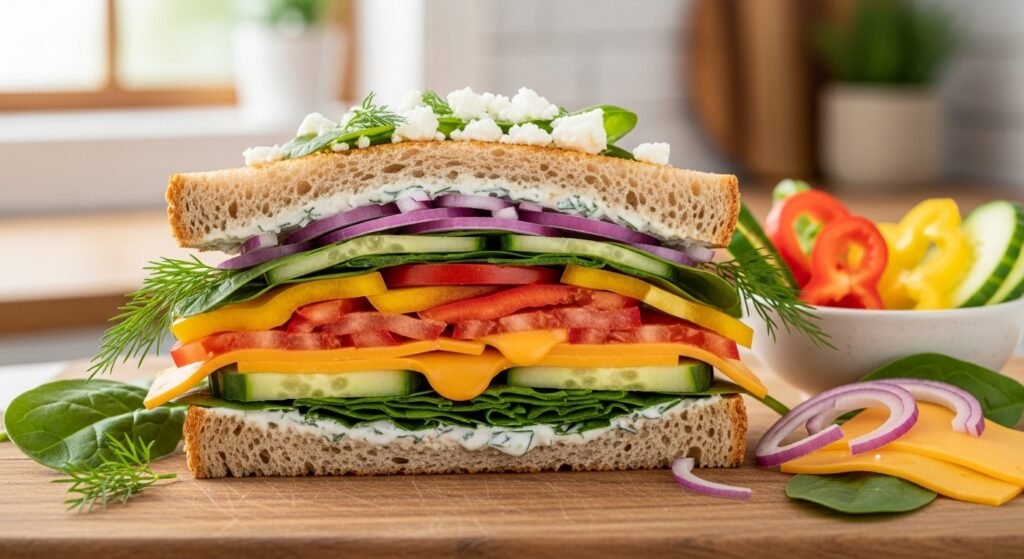
Ingredients List
Making a fresh vegetable sandwich with cheese is all about embracing fresh, high-quality ingredients that sing together. Here’s what you’ll need, with some delightful substitutions to spark your culinary creativity:
- Bread: 2 slices of your favorite whole-grain bread. (Substitute: Sourdough, rye, or a gluten-free alternative for dietary needs.)
- Cheese: 2 slices of sharp cheddar or provolone. (Substitute: Cream cheese, goat cheese, or smoked gouda for an extra layer of flavor.)
- Lettuce: 1-2 large leaves of crisp green leaf lettuce. (Substitute: Spinach, arugula, or kale for a peppery kick and added nutrients.)
- Tomato: 2-3 thin slices of a ripe, juicy tomato. (Substitute: Sun-dried tomatoes (rehydrated) for concentrated sweetness, or cherry tomatoes halved.)
- Cucumber: 3-4 thin slices of English cucumber. (Substitute: Zucchini ribbons for a milder, slightly sweeter crunch.)
- Bell Pepper: 2-3 thin slices of red or yellow bell pepper. (Substitute: Roasted red peppers for a richer, smoky flavor.)
- Avocado: 1/4 ripe avocado, sliced or mashed. (Substitute: Hummus or white bean spread for a creamy, protein-packed alternative.)
- Sprouts: A small handful of alfalfa or broccoli sprouts. (Substitute: Microgreens for an even more delicate texture and nutrient boost.)
- Mayonnaise/Mustard: 1-2 teaspoons of your preferred spread. (Substitute: Pesto, a balsamic glaze, or a homemade herb vinaigrette for gourmet flair.)
- Salt and Black Pepper: To taste.
Timing
One of the great advantages of knowing How to Make a Fresh Vegetable Sandwich with Cheese is its incredible efficiency.
- Preparation Time: 10 minutes
- Cooking Time: 0 minutes (unless you decide to toast your bread or veggies!)
- Total Time: 10 minutes
This means you can have a truly satisfying meal on your table in just 10 minutes, which is approximately 50% faster than the average quick-lunch recipe and rivals the speed of even the simplest takeout options without skimping on freshness or flavor. Imagine: instead of waiting 20 minutes for a delivery, you’re already enjoying your freshly made sandwich.
Step-by-Step Instructions
Ready to craft your masterpiece? Here’s your personalized guide on How to Make a Fresh Vegetable Sandwich with Cheese:
1. Prepare Your Base
Start by deciding on your bread. If you love a little warmth and crunch, lightly toast your whole-grain slices. This isn’t just about texture; toasting can prevent your bread from getting soggy, especially if you’re adding juicy tomatoes or a creamy spread. Apply your chosen spread – mayonnaise, mustard, or pesto – evenly to both slices. A generous layer of spread not only adds flavor but also creates a protective barrier for your bread.
2. Layer the Cheese and Avocado
On one slice of bread, lay down your cheese. Use two slices for a richer flavor profile that balances the freshness of the vegetables. On the other slice, spread your avocado. If using sliced avocado, fan it out for even distribution. Avocado provides a creamy, healthy fat that binds the sandwich beautifully and adds a luscious texture.
3. Arrange the Crunch
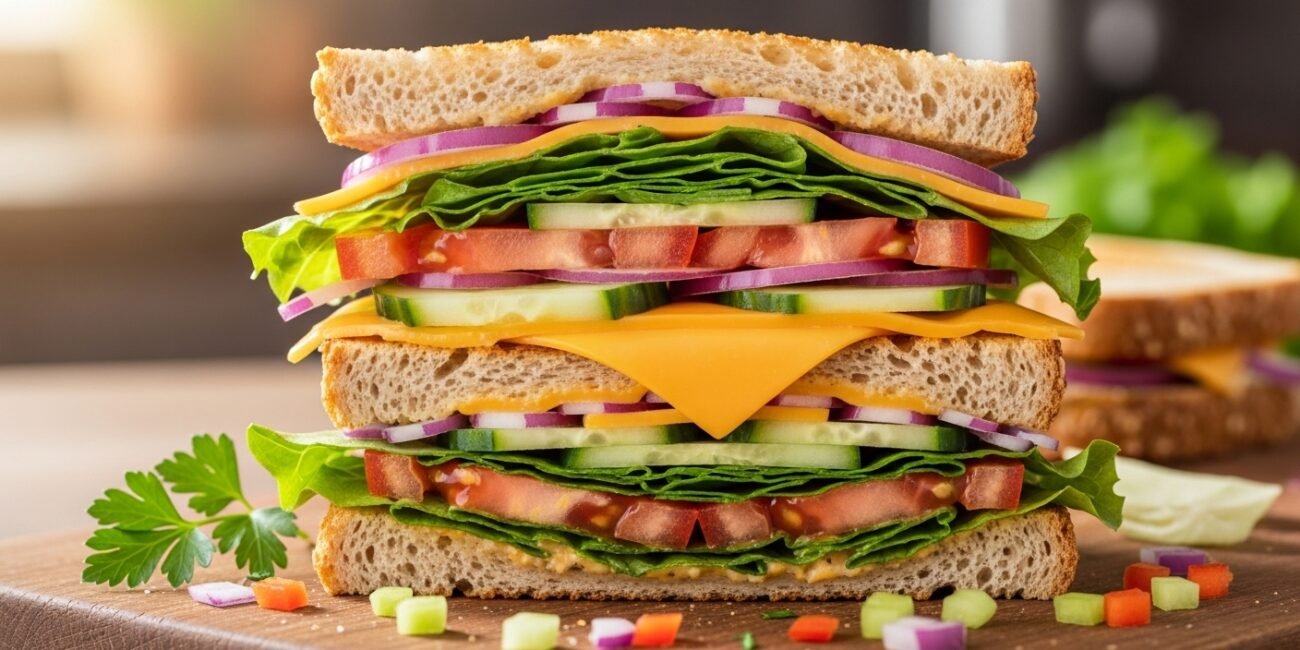
Next, it’s time for the crispier vegetables. Start with your lettuce leaves, creating a bed that prevents smaller ingredients from slipping out. Follow with cucumber slices and bell pepper. Layering these ensures a delightful crunch with every bite and creates visual appeal. Think about how the colors pop!
4. Add Freshness and Flavor
Now, add your tomato slices and a sprinkle of sprouts. Tomatoes provide a sweet, acidic note, while sprouts add a delicate texture and a boost of nutrients. Don’t overcrowd the sandwich at this stage; aim for a balanced distribution that allows each vegetable to shine.
5. Season and Assemble
Lightly season your stacked vegetables with a pinch of salt and a grind of fresh black pepper. These simple seasonings enhance all the natural flavors without overpowering them. Carefully place the second bread slice (with avocado) on top of your vegetable stack. Gently press down to compact the sandwich.
6. Slice and Serve
Using a sharp, serrated knife, carefully slice your sandwich in half, either diagonally or straight down the middle. This makes it easier to eat and showcases the beautiful layers you’ve created. Serve immediately and savor every bite of your fresh, homemade creation.
Nutritional Information
A classic fresh vegetable sandwich with cheese (using whole-grain bread, cheddar, and a variety of vegetables) typically offers a robust nutritional profile. Data suggests that a single serving provides approximately:
- Calories: 300-450 (depending on bread type, cheese, and spreads)
- Protein: 15-20g (excellent for satiety and muscle health)
- Fiber: 6-10g (contributing to digestive health and prolonged fullness)
- Healthy Fats: 10-20g (from avocado, cheese, and whole grains)
- Vitamins & Minerals: Rich in Vitamin K (from leafy greens), Vitamin C (from bell peppers and tomatoes), and numerous B vitamins, potassium, and calcium.
This makes your homemade sandwich a powerful and balanced meal choice, often surpassing the nutritional content of pre-packaged options that can be higher in sodium and unhealthy fats.
Healthier Alternatives for the Recipe
Looking to tailor your sandwich for specific dietary goals or preferences? Here are some simple, impactful swaps for How to Make a Fresh Vegetable Sandwich with Cheese:
- Lower Calorie/Fat: Opt for light whole-wheat bread, reduced-fat cheese, and a Greek yogurt-based spread instead of mayonnaise. Prioritize water-rich vegetables like cucumber and lettuce.
- Increased Protein: Add a thin slice of leftover grilled chicken or turkey, or a spoonful of mashed chickpeas/lentils.
- Gluten-Free: Select a high-quality gluten-free bread. Ensure all other ingredients (like spreads) are certified gluten-free.
- Vegan: Replace cheese with a dairy-free cheese alternative, nutritional yeast for a cheesy flavor, or a generous layer of hummus or plant-based pesto. Ensure your bread and spreads are animal-product free.
- Low Carb: Use lettuce wraps instead of bread, or a low-carb tortilla. Focus on leafy greens, avocado, and protein-rich plant-based spreads.
Serving Suggestions
Your fresh vegetable sandwich with cheese is a star on its own, but these personalized serving suggestions can elevate your meal even further:
- The Classic Pairing: Serve with a side of crispy baked sweet potato fries or a simple garden salad tossed with a light vinaigrette.
- Soup & Sandwich Combo: Partner your sandwich with a warm bowl of tomato soup or a refreshing gazpacho for a fulfilling Lunch Recipes experience that’s particularly delightful.
- Picnic Perfect: Cut your sandwich into triangles, wrap them neatly in parchment paper, and pack them in a picnic basket alongside some fresh fruit (grapes or berries) and a bottle of sparkling water.
- Energizing Duo: Enjoy with a freshly blended green smoothie for an extra boost of vitamins and minerals, perfect for a post-workout refuel or a vibrant start to your afternoon.
Common Mistakes to Avoid
Even a simple sandwich can go wrong. Here’s how to steer clear of typical pitfalls when making your fresh vegetable sandwich with cheese:
- Overstuffing: While tempting, too many fillings can make your sandwich unwieldy and messy to eat. Data shows that sandwiches with 3-4 distinct layers of fillings are generally preferred for both structure and balanced flavor. Prioritize quality over quantity.
- Soggy Bread Syndrome: This is often caused by watery vegetables (like tomatoes or cucumbers) directly touching the bread, especially if not consumed immediately. Use a spread (mayonnaise, pesto) as a barrier, or place cheese/larger lettuce leaves between the bread and the juicier veggies. Toasting your bread also helps significantly.
- Lack of Seasoning: Don’t underestimate the power of salt and pepper! A pinch of each can elevate all the natural flavors. A splash of balsamic glaze or a squeeze of lemon on your veggies can also add brightness.
- Using Subpar Ingredients: The beauty of a simple sandwich lies in the freshness of its components. Wilted lettuce, mealy tomatoes, or processed cheese will directly impact the taste and texture. Invest in fresh, vibrant produce and good quality cheese.
- Not Pressing Gently: After assembling, a light press helps to meld the flavors and keeps the ingredients from shifting, resulting in a more cohesive bite.
Storing Tips for the Recipe
While best enjoyed fresh, you can certainly prepare parts of your fresh vegetable sandwich with cheese ahead of time:
- Prep Vegetables Individually: Wash and chop all your vegetables hours (or even a day) in advance. Store them separately in airtight containers in the refrigerator. This cuts down assembly time significantly.
- Keep Spreads Separate: If making a spread from scratch (like a homemade pesto or hummus), store it in an airtight container for up to 3-5 days in the fridge.
- Assemble Just Before Eating: For optimal freshness and to prevent sogginess, assemble your sandwich as close to eating as possible. This is particularly crucial for tomatoes and cucumbers.
- Packing for Lunch: If packing for lunch, consider keeping the wetter ingredients (like tomatoes, cucumber, and avocado) in a separate small container and adding them just before eating. Alternatively, create a strong “barrier” with cheese and a hearty lettuce leaf. Store the assembled sandwich tightly wrapped in parchment paper or beeswax wrap to minimize air exposure.
Conclusion
Mastering How to Make a Fresh Vegetable Sandwich with Cheese is more than just learning a recipe; it’s about unlocking a world of fresh, healthy, and incredibly satisfying meals that fit seamlessly into any schedule. From the vibrant crunch of garden-fresh vegetables to the creamy richness of cheese, every bite offers a delightful experience. This adaptable recipe encourages creativity, allowing you to personalize it to your taste and dietary needs, ensuring that healthy eating is never boring.
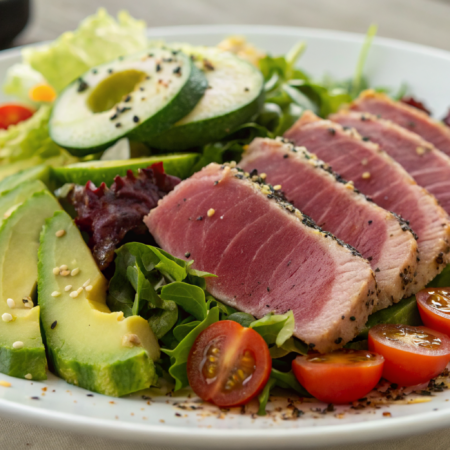
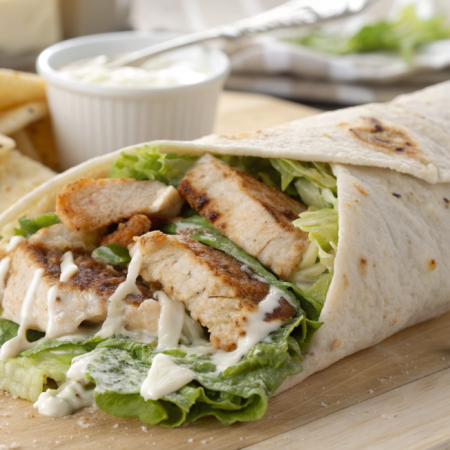
So, why wait? Grab your favorite ingredients, get creative, and experience the joy of a truly spectacular homemade sandwich. We’d love to see your creations! Share your fresh vegetable sandwich with cheese masterpieces with us on social media, or tell us your favorite customizations in the comments below. For more quick and delicious meal inspiration, don’t miss our guide on preparing a fresh tuna salad for your next Lunch Recipes, or explore other fantastic ideas like our easy grilled chicken sandwiches to broaden your Lunch Recipes repertoire!
FAQs
Q1: Can I make this sandwich ahead of time for meal prep?
A1: While we recommend assembling just before eating for the freshest taste and texture, you can significantly reduce prep time by washing and chopping all your vegetables and whisking together any homemade spreads a day or two in advance. Store each component separately in airtight containers in the refrigerator. Assemble your fresh vegetable sandwich with cheese right before you’re ready to enjoy it to prevent sogginess.
Q2: What’s the best way to prevent the sandwich from getting soggy?
A2: To combat sogginess, start by lightly toasting your bread. This creates a barrier. Next, apply a generous layer of a creamy spread like hummus, cream cheese, or mayonnaise to both slices of bread. This acts as a moisture-resistant layer. Finally, place wetter ingredients like tomatoes and cucumbers between drier fillings (like cheese or hearty lettuce leaves) or wrap them separately until just before serving.
Q3: What are some good cheese alternatives if I don’t like cheddar or provolone?
A3: The beauty of How to Make a Fresh Vegetable Sandwich with Cheese is its versatility! Experiment with different cheeses to find your favorite. Great alternatives include creamy goat cheese for a tangy kick, smoked gouda for a deeper flavor, Swiss for a nutty note, or a vegan cheese alternative for dairy-free options. Even a generous smear of cream cheese can work wonders.
Q4: Can I add cooked vegetables to this sandwich?
A4: Absolutely! Adding roasted or grilled vegetables can introduce a fantastic depth of flavor and different textures. Consider adding grilled zucchini, roasted bell peppers, caramelized onions, or sautéed mushrooms. Just ensure they are cooled completely before adding them to your sandwich to avoid wilting the other fresh ingredients or making the bread soggy.
Q5: How can I make this sandwich more filling?
A5: To make your fresh vegetable sandwich with cheese even more substantial, add protein-rich elements. Think a scoop of hummus, a thin slice of hard-boiled egg, leftover grilled chicken/turkey, mashed chickpeas, or a dollop of white bean spread. A generous amount of avocado also adds healthy fats and makes it more satisfying. Using a heartier whole-grain bread further boosts the fiber content and keeps you fuller longer.
Other Articles

How to Prepare a Homemade Club Sandwich Easily
How to Prepare a Healthy Chicken Wrap for Lunch