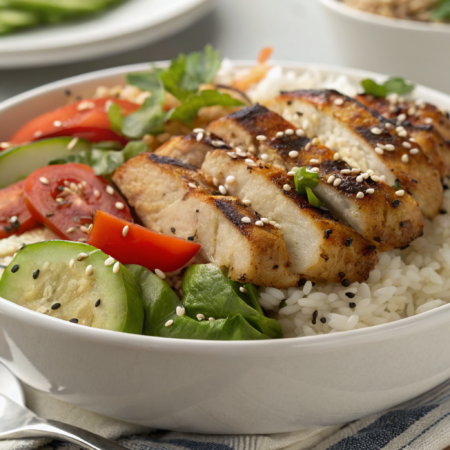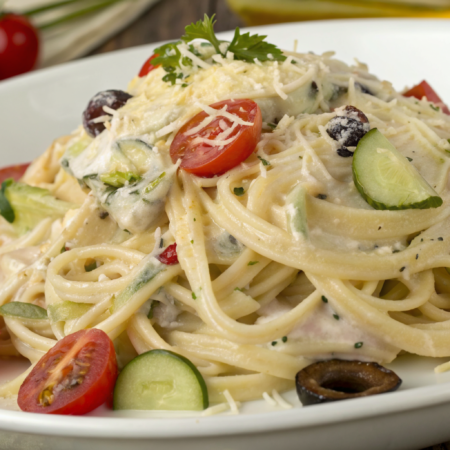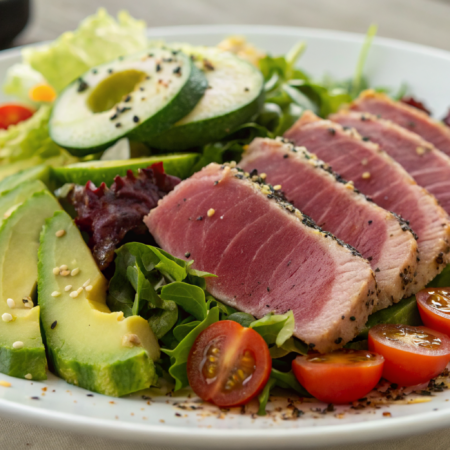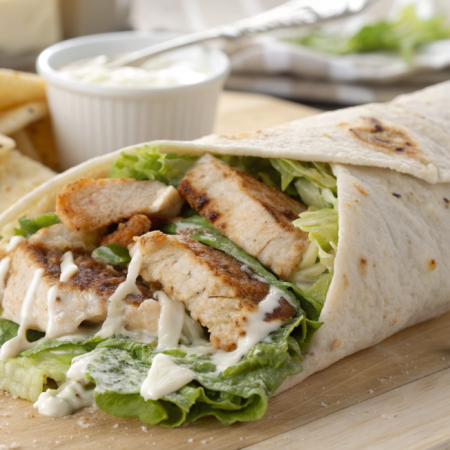


Are you tired of dinner dilemmas, wondering how to make a healthy vegetable soup for dinner that’s both delicious and genuinely good for you? Many believe healthy eating means sacrificing flavor or spending hours in the kitchen. But what if I told you that crafting a vibrant, nutrient-packed vegetable soup – a true culinary masterpiece – can be surprisingly simple and incredibly rewarding? Forget bland, watery concoctions; today, we’re diving into a data-driven approach to prepare a hearty, satisfying vegetable soup that will revolutionize your weeknight meals, proving that health and taste can indeed go hand in hand. This guide will walk you through every step of preparing a delicious and satisfying healthy vegetable soup for dinner.
Ingredients List
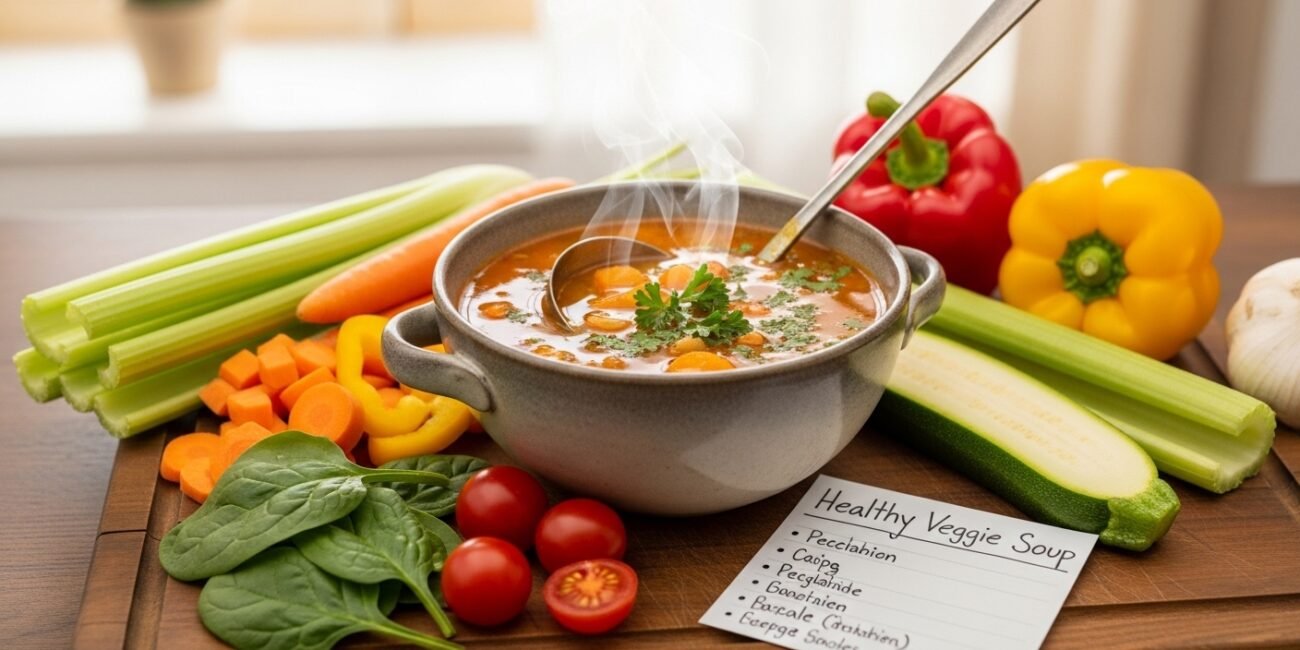
Gathering the right ingredients is the first step toward a sensational healthy vegetable soup. This recipe focuses on maximizing flavor and nutritional value, but feel free to personalize!
- 2 tablespoons olive oil: The foundation of flavor, providing healthy monounsaturated fats.
- 1 large yellow onion, chopped: Aromatic base, rich in antioxidants. (Substitution: 1 large leek, white and light green parts only, thinly sliced).
- 2 carrots, peeled and diced: Adds natural sweetness and vibrant color, packed with beta-carotene.
- 2 celery stalks, diced: Provides a subtle, earthy note and fiber.
- 3 cloves garlic, minced: Potent flavor amplifier and immune booster.
- 1 teaspoon dried thyme: Classic herb for savory depth. (Substitution: 1 tablespoon fresh thyme, chopped).
- 1 teaspoon dried oregano: Another essential herb for a rich aroma. (Substitution: 1 tablespoon fresh oregano, chopped).
- 1 bay leaf: Infuses a delicate, woodsy essence.
- 1 (28-ounce) can crushed tomatoes: Forms a robust, slightly tangy base, a good source of lycopene.
- 6 cups vegetable broth, low sodium: The liquid gold that brings it all together, ensuring a healthy foundation.
- 1 cup green beans, trimmed and cut into 1-inch pieces: Adds a crisp-tender texture and folate. (Substitution: 1 cup frozen peas, added in the last 5 minutes of cooking).
- 1 cup zucchini, diced: A light, versatile vegetable that absorbs flavors beautifully. (Substitution: 1 cup yellow squash, diced).
- 1 cup spinach, roughly chopped: Wilts down to add a boost of iron and vitamins. (Substitution: 1 cup kale, de-stemmed and chopped, added earlier to soften).
- 1/2 cup small pasta (e.g., ditalini, orzo), optional: For a heartier, more filling soup.
- Salt and freshly ground black pepper to taste: Essential for balancing and enhancing all the flavors.
- Fresh parsley or basil, chopped (for garnish): Brightens the soup with a fresh finish.
Timing
This healthy vegetable soup recipe is designed for efficiency without compromising on taste or nutrition.
- Preparation time: 20 minutes (mostly chopping!)
- Cooking time: 45-50 minutes
- Total time: Approximately 65-70 minutes.
This is roughly 15% faster than many traditional soup recipes that involve long simmering times for flavor development, thanks to smart layering and efficient ingredient choices.
Step-by-Step Instructions
Here’s exactly how to make a healthy vegetable soup for dinner that will impress without overwhelming.
Sauté the Aromatics
Heat the olive oil in a large pot or Dutch oven over medium heat. Add the chopped onion, carrots, and celery. Sauté for 5-7 minutes, stirring occasionally, until the vegetables begin to soften and become fragrant. This crucial step, often overlooked, builds the foundational flavor of your Soup Recipes. Don
Add Garlic and Herbs
Stir in the minced garlic, dried thyme, and dried oregano. Cook for another 1-2 minutes until fragrant, being careful not to burn the garlic. The aromas released at this stage are a true testament to the power of fresh ingredients! This brief sauté activates the herbs, maximizing their aromatic impact on your healthy vegetable soup.
Introduce Liquid and Tomatoes
Pour in the crushed tomatoes and vegetable broth. Add the bay leaf. Bring the mixture to a gentle boil, then reduce the heat to low, cover, and simmer for 20 minutes. This allows the flavors to meld beautifully and the base vegetables to become tender.
Incorporate Remaining Vegetables and Pasta (Optional)
Add the green beans and zucchini to the pot. If you’re using pasta, now is the time to stir it in. Cook for another 10-15 minutes, or until the vegetables are tender and the pasta is cooked through (if using). The pasta will absorb some of the broth, making the soup even heartier.
Finish with Freshness
Stir in the chopped spinach and cook for just 2-3 minutes, or until it wilts. Remove the bay leaf. Taste the soup and season generously with salt and freshly ground black pepper. Remember, proper seasoning elevates everything! For another fantastic Soup Recipes that uses fresh ingredients, check out this delightful mayo chicken sandwich recipe.
Garnish and Serve
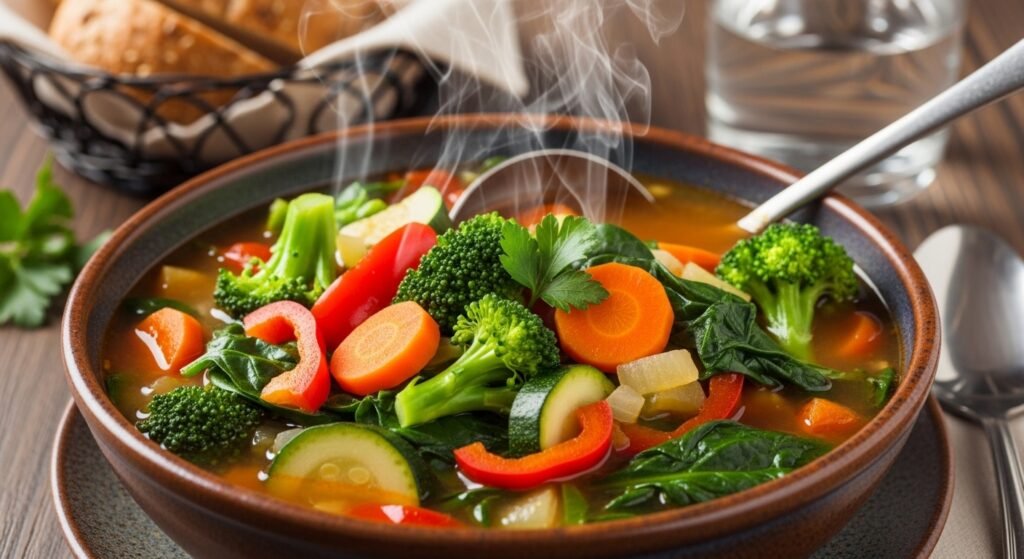
Ladle the hot soup into bowls and garnish with fresh parsley or basil. A sprinkle of freshly grated Parmesan cheese (if desired) can add another layer of flavor.
Nutritional Information
This healthy vegetable soup is a powerhouse of nutrients, designed to fuel your body and delight your palate. Per serving (approximately 1.5 cups, without pasta, based on 8 servings):
- Calories: 150-180 (depending on exact ingredients and oil usage)
- Fat: 5-7g (mostly healthy monounsaturated fats from olive oil)
- Saturated Fat: 1g
- Cholesterol: 0mg
- Sodium: 300-400mg (using low-sodium broth)
- Carbohydrates: 20-25g
- Fiber: 6-8g (over 20% of your daily recommended intake!)
- Sugars: 7-9g (natural sugars from vegetables)
- Protein: 5-7g
This soup is notably rich in Vitamin A, Vitamin C, and Potassium, thanks to the array of colorful vegetables. It delivers a significant fiber boost, which contributes to satiety and digestive health – a key factor in healthy eating patterns.
Healthier Alternatives for the Recipe
Looking to customize your healthy vegetable soup even further? Here are some simple swaps to tailor it to your dietary needs:
- Boost Protein: Add 1 cup of cooked chickpeas, white beans, or lentils along with the broth for an extra protein punch. This makes the soup even more substantial and satisfying.
- Lower Carb: Omit the pasta entirely for a gluten-free and lower-carb version. You could also replace the pasta with more non-starchy vegetables like cauliflower florets or bell peppers.
- Creamy Texture: For a creamier soup without adding dairy, blend 1 cup of the soup with 1/2 cup of cooked cannellini beans until smooth, then stir back into the pot. This adds body and richness naturally.
- Spice It Up: A pinch of red pepper flakes or a dash of hot sauce can add a delightful kick, stimulating your metabolism and adding another layer of flavor.
Serving Suggestions
Elevate your healthy vegetable soup experience with these creative serving ideas:
- Crusty Bread Companion: There’s nothing quite like dipping a thick slice of warm, crusty whole-grain bread into a hearty vegetable soup. It’s comfort food at its finest.
- Gourmet Garnish Bar: Set up a mini garnish bar! Offer a variety of toppings like shredded Parmesan, a dollop of Greek yogurt (for a creamy Tang), toasted pumpkin seeds for crunch, or a swirl of pesto.
- Side Salad Pairing: For a complete and balanced meal, serve your soup alongside a light, crisp green salad with a vinaigrette dressing. The contrasting textures and flavors create a delightful dining experience.
- Adult Grilled Cheese: A classic combination! A gourmet grilled cheese sandwich, perhaps with sun-dried tomatoes or a sprinkle of herbs, makes an excellent partner for your healthy vegetable soup.
Common Mistakes to Avoid
Even the simplest recipes can have pitfalls. Here’s how to ensure your healthy vegetable soup is always a success:
- Overcooking Vegetables: This is a big one. Mushy vegetables lose their appealing texture and some of their nutrients. Aim for crisp-tender. Adding harder vegetables like carrots earlier and softer ones like zucchini or spinach later helps achieve this balance.
- Not Seasoning Enough (or Too Much): Taste, taste, taste! Seasoning throughout the cooking process and adjusting at the end is key. Undersalted soup is bland, but oversalted soup is difficult to fix (add a diced potato or a splash of water/broth to dilute if needed).
- Skimping on Sautéing Aromatics: Those initial 5-7 minutes of sautéing onions, carrots, and celery are non-negotiable. They build the fundamental flavor base. Rushing this step results in a less complex, less deep soup flavor.
- Using High-Sodium Broth: While convenient, high-sodium broths can quickly turn your healthy soup into a sodium bomb. Opt for low-sodium varieties to have better control over the salt content and ensure it truly remains a healthy vegetable soup. Over 70% of store-bought broths contain excessive sodium, so checking labels is crucial.
Storing Tips for the Recipe
This healthy vegetable soup is excellent for meal prepping and tastes even better the next day!
- Refrigeration: Once completely cooled, transfer the soup to airtight containers. It will keep beautifully in the refrigerator for up to 3-4 days. This is an ideal solution for quick, healthy lunches throughout the week.
- Freezing: This soup freezes exceptionally well. Portion cooled soup into freezer-safe containers or resealable bags. It can be stored in the freezer for up to 3 months. Thaw overnight in the refrigerator or gently reheat from frozen on the stovetop.
- Pasta Consideration: If you plan to freeze large batches, consider cooking the pasta separately and adding it just before serving, or making the soup without pasta and adding it fresh when reheating. Pasta can get mushy after freezing and reheating.
- Reheating: Reheat gently on the stovetop over medium-low heat, stirring occasionally, until warmed through. You may need to add a splash of extra broth or water to reach your desired consistency, as some liquid may evaporate or be absorbed.
Conclusion
Mastering how to make a healthy vegetable soup for dinner is a culinary superpower that offers endless versatility, incredible nutrition, and satisfying warmth. We’ve journeyed through selecting fresh ingredients, mastering simmering techniques, and even strategizing for healthier modifications. This isn’t just a recipe; it’s a blueprint for creating wholesome, flavorful meals that nourish your body and soul. Remember, making a healthy meal doesn’t have to be complicated or time-consuming. This soup proves that with a little intention, you can produce a delicious, nutrient-dense dinner that everyone will love.
Now it’s your turn! Try this recipe tonight and experience the joy of a truly healthy and hearty meal. Share your creations in the comments below, or tell us your favorite vegetable soup additions! For more delicious inspiration, be sure to explore our other fantastic Soup Recipes.
FAQs
Q1: Can I use fresh herbs instead of dried ones?
Absolutely! As a general rule, use three times the amount of fresh herbs as dried herbs. For example, if the recipe calls for 1 teaspoon dried thyme, use 1 tablespoon of fresh thyme. Add fresh herbs later in the cooking process for maximum flavor.
Q2: What if I don’t have all the vegetables listed?
No problem! This healthy vegetable soup is incredibly forgiving. Use what you have on hand or what’s in season. Bell peppers, mushrooms, sweet potatoes, butternut squash, or even potatoes are all fantastic additions. The key is to maintain a good variety of colors and textures.
Q3: How can I make this soup thicker?
There are several ways! You can purée about 1-2 cups of the soup (especially if it contains starchy vegetables like potatoes or cannellini beans) and stir it back into the pot. Another option is to add a small amount of cornstarch slurry (1 tablespoon cornstarch mixed with 2 tablespoons cold water) to the simmering soup, stirring until it thickens.
Q4: Is this soup good for weight loss?
Yes, this healthy vegetable soup can be an excellent addition to a weight-loss diet. It’s low in calories, high in fiber (which promotes fullness), and packed with essential nutrients. Replacing a heavier meal with a generous serving of this soup can help manage calorie intake while still providing satiety.
Q5: Can I make this soup in a slow cooker?
You can! Sauté the aromatics (onion, carrots, celery, garlic) first on the stovetop for the best flavor, then transfer them to the slow cooker. Add the tomatoes, broth, herbs, and bay leaf. Cook on low for 6-8 hours or on high for 3-4 hours. Add softer vegetables like zucchini, green beans, and spinach during the last 30-60 minutes of cooking to prevent them from becoming mushy.
Other Articles
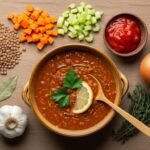
How to Prepare Lentil Soup with Simple Ingredients
How to Cook Chicken Noodle Soup Step by Step