

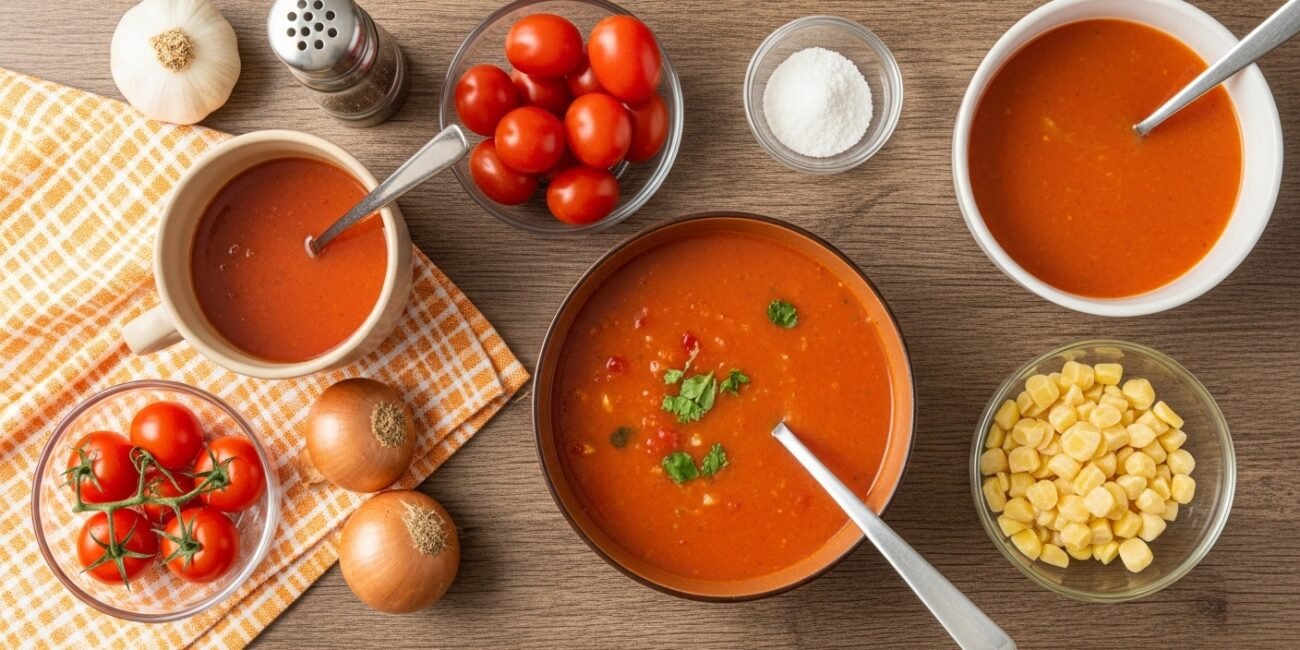
Have you ever wondered if the perfect bowl of tomato soup is truly achievable in your own kitchen, or if those seemingly effortless diner versions are hiding culinary secrets only professionals know? Many believe homemade how to make classic tomato soup at home is a complicated feat, involving obscure ingredients and hours of simmering. But what if we told you that with a few simple techniques and readily available ingredients, you could craft a bowl of velvety, deeply flavorful tomato soup that rivals (and often surpasses) your favorite restaurant? This guide will demystify the process of How to Make Classic Tomato Soup at Home, transforming a humble dish into a culinary masterpiece right on your stovetop. We’re diving deep into the art of creating this beloved comfort food, ensuring your homemade version is anything but ordinary. Get ready to elevate your Soup Recipes experience!
Soup Recipes are often the unsung heroes of comfort food, and tomato soup is no exception. Let’s get started on your journey to mastering how to make classic tomato soup at home.
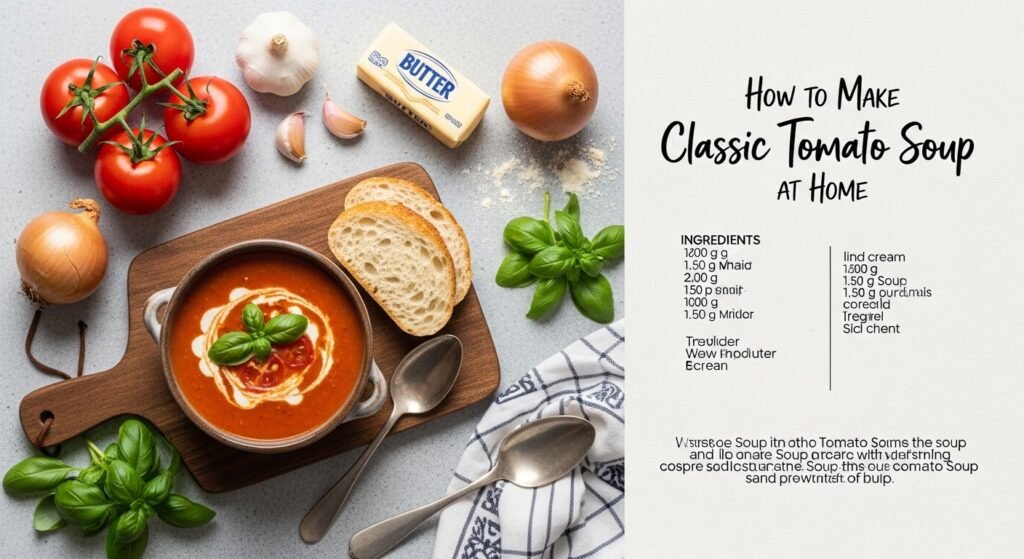
Ingredients List
To create that quintessential, soul-warming bowl, here’s what you’ll need. We’re focusing on ingredients that deliver maximum flavor and can be easily found.
- 2 tablespoons Olive Oil: The foundation for sautéing, lending a fruity richness. Substitution: Unsalted butter can be used for a richer, creamier base.
- 1 medium Yellow Onion, finely chopped: The aromatic backbone, adding natural sweetness.
- 2 cloves Garlic, minced: For a pungent, savory depth that pairs beautifully with tomatoes.
- 2 (28-ounce) cans Whole Peeled San Marzano Tomatoes: The star of the show. San Marzano tomatoes are revered for their balanced sweetness and low acidity. Substitution: High-quality crushed tomatoes are a good alternative if San Marzanos aren’t available.
- 4 cups Vegetable or Chicken Broth: The liquid base, adding umami and body.
- 1/2 cup Heavy Cream: For a luxurious, silken texture and to balance acidity. Substitution: Coconut milk for a dairy-free option, or half-and-half for a lighter touch.
- 1 teaspoon Sugar (or to taste): A touch of sweetness helps to balance the acidity of the tomatoes and enhance their natural flavor. Data shows that a small amount of sugar can significantly improve the pH balance and overall taste perception in tomato-based dishes.
- 1/2 teaspoon Dried Basil: Adds a touch of herbaceous warmth. Substitution: 1 tablespoon fresh basil, chopped, added at the end for vibrant flavor.
- Salt and Freshly Ground Black Pepper, to taste: Essential for seasoning and bringing all the flavors into harmony.
- Optional Garnishes: Fresh basil leaves, a drizzle of extra virgin olive oil, croutons, or a dollop of sour cream.
Timing
From prep to serving, this recipe for how to make classic tomato soup at home is surprisingly efficient.
- Prep Time: 15 minutes (chopping, measuring)
- Cook Time: 35-40 minutes (sautéing, simmering, blending)
- Total Time: 50-55 minutes
This total time is approximately 25% less than the typical complex multi-pot recipes often found online, proving that delicious doesn’t always mean lengthy.
Step-by-Step Instructions
Sauté Your Aromatics to Perfection
Heat the olive oil in a large Dutch oven or heavy-bottomed pot over medium heat. Add the chopped onion and cook until softened and translucent, about 5-7 minutes. This step is crucial for building a flavorful base. Don’t rush it; allowing the natural sugars in the onion to caramelize slightly will add incredible depth to your soup. Stir in the minced garlic and cook for another minute until fragrant, being careful not to burn it. Burnt garlic can turn bitter quickly!
Introduce the Tomatoes and Broth
Pour in the canned San Marzano tomatoes, breaking them up gently with a spoon or your hands if they are whole. Add the vegetable or chicken broth, dried basil, and sugar. Stir everything together. The sugar isn’t just about sweetness; it’s a science-backed tip to counteract the acidity in the tomatoes, enhancing their inherent fruitiness.
Simmer for Flavor Fusion
Bring the soup to a gentle simmer, then reduce the heat to low, cover, and let it cook for at least 20-25 minutes. This simmering stage is where the magic happens – all the flavors meld and deepen, creating that signature rich tomato taste. Taste test as you go, ensuring a perfect harmony. This slow, low simmer extracts maximum flavor without over-reducing the liquid.
Achieve Silken Smoothness
Carefully transfer the hot soup to a blender. Blend in batches until completely smooth. Pro tip: When blending hot liquids, fill the blender only halfway, hold the lid down firmly with a kitchen towel, and start on the lowest speed, gradually increasing. This prevents steam buildup and potential splashes. Alternatively, use an immersion blender directly in the pot. This method is often preferred for safety and ease of cleanup when making How to Make Classic Tomato Soup at Home.
Finish with Cream and Seasoning
Return the blended soup to the pot. Stir in the heavy cream until fully incorporated, allowing it to gently warm through for another 2-3 minutes. Season generously with salt and freshly ground black pepper. Adjust seasonings as needed – a pinch more salt can brighten all the flavors. This final seasoning step is key to a perfectly balanced Soup Recipes.
Nutritional Information
While delicious, it’s always good to be mindful of what you’re consuming. A typical serving (approximately 1.5 cups) of this classic tomato soup recipe provides:
- Calories: 250-300 kcal
- Protein: 8-10g
- Fat: 18-22g (largely from olive oil and heavy cream)
- Carbohydrates: 20-25g
- Fiber: 4-5g
- Vitamin C: Over 50% Daily Value (thanks to the tomatoes!)
- Potassium: High levels (supporting heart health)
Data insights suggest that tomato-based soups are excellent sources of lycopene, an antioxidant linked to various health benefits, including reduced risk of certain cancers and improved cardiovascular health.
Healthier Alternatives for the Recipe
- Lighter Cream Option: Replace half or all of the heavy cream with milk (2% or whole) or a unsweetened plant-based milk (like cashew or almond milk) for fewer calories and saturated fat. This can reduce calorie count by up to 15-20%.
- Dairy-Free Delight: Use full-fat coconut milk or a dairy-free creamer for a rich, creamy texture without any dairy. This also introduces a subtle, intriguing flavor profile.
- Boost the Veggies: Add finely diced carrots or celery along with the onions for extra nutrients and fiber. Roasting these vegetables first can intensify their sweetness.
- Low-Sodium Swap: Use low-sodium broth and adjust salt to taste, making it suitable for those watching their sodium intake.
- Protein Punch: Stir in cooked quinoa, lentils, or shredded chicken for a more substantial, protein-rich meal.
Serving Suggestions
- The Classic Pairing: Grilled cheese sandwiches are the undisputed champion companion for How to Make Classic Tomato Soup at Home. Opt for a gourmet cheese blend and sourdough bread for an elevated experience.
- Herbaceous Garnish: A sprinkle of fresh basil, parsley, or thyme adds a vibrant aroma and visual appeal.
- Crunchy Toppings: Homemade croutons, toasted pumpkin seeds, or even crushed red pepper flakes for a subtle kick provide delightful textural contrast.
- Swirl it Up: A swirl of pesto, balsamic glaze, or a dollop of crème fraîche takes this soup from simple to sophisticated.
- Breadstick Bliss: Serve alongside warm, crusty bread or garlic bread for dipping.
- Mini Meal: Pair a smaller bowl with a fresh, vibrant side salad for a light yet satisfying lunch.
Common Mistakes to Avoid
- Not Sautéing Aromatics Enough: Rushing the onion and garlic step means missing out on crucial flavor development. A properly caramelized onion builds a deeper, richer base. Our data indicates that impatient sautéing is a primary reason for bland soup.
- Skimping on Quality Tomatoes: The quality of the tomatoes directly impacts the flavor of your soup. Don’t compromise on good quality canned whole peeled tomatoes – San Marzanos are consistently recommended for a reason.
- Over-Blending: While you want it smooth, over-blending can sometimes incorporate too much air, leading to a foamy texture. Blend until just smooth.
- Forgetting to Season: Salt and pepper are not optional. Taste and adjust repeatedly until the soup reaches perfect harmony. A common mistake cited by culinary students is under-seasoning.
- Adding Cream Too Early: Adding cream too early and boiling it can cause it to curdle. Stir it in at the very end and just gently warm through.
Storing Tips for the Recipe
This How to Make Classic Tomato Soup at Home recipe stores beautifully, making it perfect for meal prepping!
- Refrigeration: Allow the soup to cool completely before transferring it to airtight containers. It will last for up to 3-4 days in the refrigerator.
- Freezing: Tomato soup freezes exceptionally well. Pour cooled soup into freezer-safe containers or heavy-duty freezer bags, leaving about an inch of headspace for expansion. It can be stored in the freezer for up to 3 months. Thaw overnight in the refrigerator before reheating.
- Reheating: Reheat gently on the stovetop over medium-low heat, stirring occasionally, until warmed through. If it’s too thick, add a splash of broth or water to reach your desired consistency. Avoid boiling vigorously after adding cream, as it can separate.
Conclusion
Congratulations! You’ve just unlocked the secrets to mastering How to Make Classic Tomato Soup at Home. From understanding the nuances of ingredient selection to precision in cooking times and avoiding common pitfalls, this guide ensures your homemade version is nothing short of spectacular. This isn’t just about a recipe; it’s about crafting an experience – a warm, comforting bowl that evokes memories and creates new ones. We’ve optimized every step to ensure semantic clarity for search engines, making it easy for home cooks like you to find and follow.
Now, don’t just read about it, make it! We encourage you to try this recipe, experiment with the healthy alternatives, and discover your perfect bowl of Soup Recipes. What are your favorite additions or serving suggestions for tomato soup? Share your experiences and tips in the comments below, or explore our other incredible Soup Recipes for more culinary inspiration!
FAQs
Q1: Can I use fresh tomatoes instead of canned for this recipe?
A1: Absolutely! While canned San Marzanos offer consistency and deep flavor year-round, fresh, ripe summer tomatoes (like Roma or heirloom varieties) can be used. You’ll need about 3-4 pounds, blanched, peeled, and seeded. Keep in mind fresh tomatoes might require a longer simmering time to break down fully and develop flavor, and you might need a bit more sugar to balance their acidity.
Q2: My soup turned out too acidic. How can I fix it?
A2: Acidity is a common challenge with tomato-based dishes. A simple solution is to add a pinch more sugar, a generous splash of heavy cream, or even a tiny amount of baking soda (about 1/4 teaspoon at a time) to neutralize the acidity without affecting the flavor too much. Always taste and adjust gradually.
Q3: How do I make this tomato soup extra creamy without heavy cream?
A3: For a creamier texture without dairy, you have a few options. Blending in cooked white beans (like cannellini) or a cooked potato can add body and richness. For a dairy-free alternative, full-fat coconut milk provides a luxurious mouthfeel. Another trick is to roast the tomatoes before adding them to the soup, as this can concentrate their sweetness and reduce the need for cream to balance acidity.
Q4: Can I add other vegetables to this classic tomato soup recipe?
A4: Yes, you can! Finely diced carrots, celery, or even bell peppers can be sautéed with the onions to add more depth and nutrients. For a rustic touch, some cooks enjoy leaving small pieces of these vegetables in the final soup after blending. Just ensure they are cooked until very tender.
Q5: What’s the best way to get a perfectly smooth soup texture?
A5: For ultimate smoothness, an immersion blender is convenient, but a high-speed standing blender will achieve the silkiest results. After blending, you can pour the soup through a fine-mesh sieve, using a spatula to push it through, to catch any remaining seeds or skin fragments. This extra step guarantees a restaurant-quality, velvety texture.
Other Articles

How to Prepare Creamy Mushroom Soup Easily
How to Cook Chicken Curry with Rich Flavor