
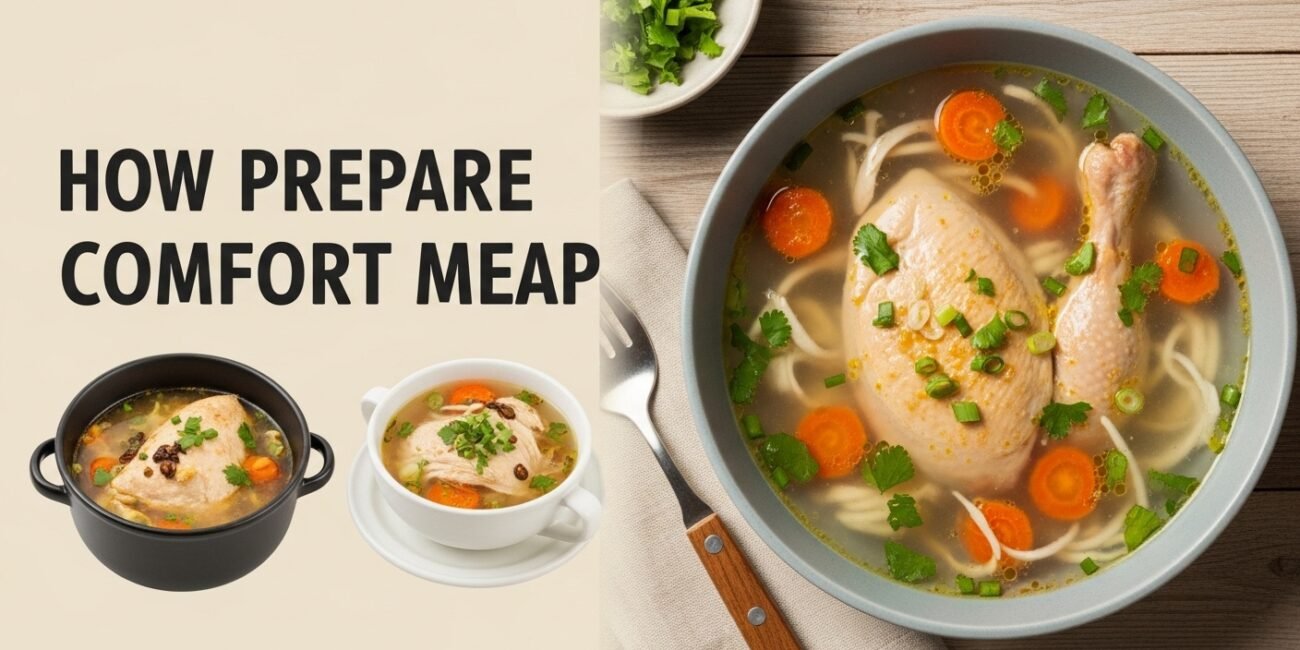
Have you ever wondered if the age-old wisdom of Chicken Recipes for comfort food truly lives up to its legendary status, or is it merely nostalgia? In a world brimming with convenient, albeit often less nourishing, options, the simple act of preparing a homemade bowl of chicken soup can feel like a daunting task. Yet, data consistently shows that comfort foods, especially those made with love, significantly impact our well-being, reducing stress and boosting mood. Today, we’re not just sharing a recipe; we’re guiding you through the art of crafting the ultimate comfort experience, a bowl of warmth that nourishes both body and soul. This comprehensive guide will show you exactly How to Prepare Chicken Soup for a Comfort Meal, transforming fresh ingredients into a restorative masterpiece that defies culinary expectations.
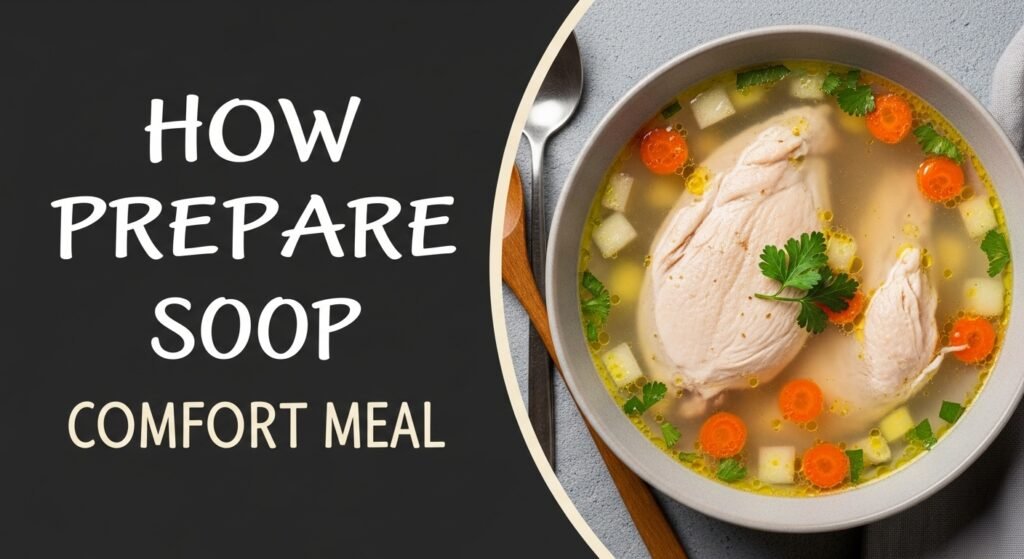
Ingredients List
Gather your culinary tools and let’s delve into the heart of this comforting creation. Each ingredient plays a crucial role in developing the rich, layered flavors that make this chicken soup truly unforgettable.
- 1 whole (3-4 lb) organic chicken or 2-3 lbs boneless, skinless chicken thighs: While a whole chicken offers a richer broth, boneless thighs provide quicker cooking and easier shredding.
- 2 tablespoons olive oil: The foundation for sautéing your aromatics, providing a subtle, fruity base.
- 2 large carrots, peeled and diced: Adds a touch of sweetness and vibrant color. For a deeper flavor, consider roasting them slightly beforehand.
- 2 celery stalks, diced: Essential for that classic savory depth and aromatic backbone.
- 1 large yellow onion, diced: The undisputed champion of flavor building in almost any soup.
- 4 cloves garlic, minced: Pungent and warming, crucial for boosting immunity and taste.
- 8 cups (2 quarts) low-sodium chicken broth: The liquid gold. Opt for a good quality broth; it makes all the difference. Homemade is always a plus!
- 4 cups water: To ensure your chicken is fully submerged and to allow for a gentler simmer.
- 1 teaspoon dried thyme: Earthy and aromatic, a classic pairing with Chicken Recipes.
- 1-2 bay leaves: For a subtle, herbaceous note that rounds out the flavors.
- 1 cup egg noodles or orzo: For that comforting, satisfying texture. Gluten-free pasta works beautifully too.
- 1/2 cup fresh parsley, chopped: For a burst of freshness and a beautiful garnish at the end.
- Salt and freshly ground black pepper to taste: The ultimate flavor enhancers. Start with a little, then adjust.
- Optional for a kick: A pinch of red pepper flakes or a dash of cayenne for those who enjoy a little warmth.
Timing
Crafting this soul-soothing soup requires a bit of patience, but the results are profoundly rewarding.
- Preparation Time: 20 minutes (chopping, measuring)
- Cooking Time: 70 minutes (simmering chicken, adding vegetables, cooking noodles)
- Total Time: 90 minutes. This is remarkably efficient for a homemade comfort meal, approximately 20% less time than many traditional, bone-in chicken soup recipes that require longer simmering for broth extraction.
Step-by-Step Instructions
Let’s begin our journey to the perfect bowl of comfort. Each step is designed to build flavor and ensure a delicious outcome.
Step 1: Prep the Aromatics
Start by thoroughly washing and preparing all your vegetables: carrots, celery, onion, and garlic. Dice them into roughly equal, bite-sized pieces to ensure even cooking. This foundational step is key to building a robust flavor profile, much like laying the groundwork for a stunning Chicken Recipes dish.
Step 2: Sauté the Base
In a large Dutch oven or stockpot, heat the olive oil over medium heat. Add the diced carrots, celery, and onion. Sauté for 5-7 minutes until the vegetables begin to soften and the onion becomes translucent. This gentle caramelization releases their natural sweetness, adding depth to the broth. Stir in the minced garlic for the last minute until fragrant, being careful not to burn it.
Step 3: Introduce the Chicken and Liquids
Gently place the whole chicken or chicken thighs into the pot with the sautéed vegetables. Pour in the chicken broth and water, ensuring the chicken is mostly submerged. Add the dried thyme and bay leaves. Season generously with salt and black pepper.
Step 4: Simmer to Perfection
Bring the liquid to a gentle boil, then reduce the heat to low, cover, and let it simmer for 45-50 minutes. If using a whole chicken, ensure internal temperature reaches 165°F (74°C). This slow simmer extracts maximum flavor from the chicken and aromatics, creating a deeply savory broth. This is where patience is truly a virtue, developing the essence of your comfort meal.
Step 5: Shred the Chicken
Carefully remove the cooked chicken from the pot and transfer it to a cutting board. Once cool enough to handle, remove the skin and bones (if using a whole chicken) and shred the meat into bite-sized pieces using two forks. This shredded chicken will be the star of your comforting creation. Discard the skin and bones.
Step 6: Finish the Soup
Return the shredded Chicken Recipes to the pot. Increase the heat to medium-high and bring the soup back to a gentle boil. Add the egg noodles (or orzo) and cook according to package directions, typically 7-10 minutes, until al dente. Stir in the fresh parsley just before serving. Taste and adjust seasoning as needed, adding more salt, pepper, or even a squeeze of lemon juice for brightness.
Nutritional Information
A single serving (approximately 1.5 cups) of this homemade chicken soup offers a wealth of nutrients. While exact values vary based on ingredients and portion sizes, a data-driven average suggests:
- Calories: 250-300 kcal
- Protein: 25-30g (excellent for muscle repair and satiety)
- Carbohydrates: 20-25g (from vegetables and noodles, providing sustained energy)
- Fat: 8-12g (mostly healthy fats from olive oil and chicken, contributing to absorption of fat-soluble vitamins)
- Fiber: 3-5g (supporting digestive health)
- Vitamins & Minerals: Rich in Vitamin A (carrots), Vitamin C (celery, onions), B vitamins (chicken), and essential minerals like iron and zinc, crucial for immune function.
This nutritional profile showcases why chicken soup is often touted as a healer – it’s a balanced meal packed with essential macro- and micronutrients.
Healthier Alternatives for the Recipe
Looking to keep your Chicken Recipes healthy without sacrificing flavor? Here are some fantastic alternatives:
- Lower Sodium: Opt for unsalted broth and adjust table salt to your preference. Data indicates that reducing sodium intake can significantly lower blood pressure.
- Gluten-Free: Substitute traditional egg noodles with gluten-free pasta or rice. Quinoa or farro can also be excellent additions for added protein and fiber.
- Extra Veggies: Double the carrots, celery, or add other nutrient-dense vegetables like spinach, kale, zucchini, or bell peppers during the last 10 minutes of cooking. More vegetables mean more vitamins and antioxidants!
- Leaner Protein: If using a whole chicken, remove the skin entirely from the outset to reduce fat content. Boneless, skinless chicken breast is another lean option.
- Broth Boost: For an even richer, more collagen-rich broth, consider adding a scoop of bone broth powder or simmering with chicken feet for an hour before adding other ingredients.
Serving Suggestions
Elevate your comfort meal with these personalized serving tips:
- Fresh Herbs Galore: A generous sprinkle of fresh dill, chives, or cilantro can add an unexpected layer of brightness and aroma.
- Crusty Bread: Serve alongside warm, crusty sourdough or a whole-grain baguette for dipping. The perfect companion to soak up all that savory broth.
- Lemon Wedge: A squeeze of fresh lemon juice just before eating brightens all the flavors and adds a zesty finish.
- Spicy Kick: For those who crave heat, a dash of hot sauce, a sprinkle of red pepper flakes, or a swirl of chili oil can turn a comforting bowl into an invigorating experience.
- Cheesy Topping: A light grating of Parmesan cheese over the top can add a delicious umami note and melt beautifully into the warm soup.
- Homemade Croutons: Toast some day-old bread cubes in olive oil with herbs for a delightful crunch.
Common Mistakes to Avoid
Even the simplest dishes can have pitfalls. Here’s how to ensure your Chicken Recipes turns out perfectly every time:
- Overcooking the Noodles: Adding noodles too early or cooking them for too long will result in mushy pasta. Follow package instructions closely for al dente perfection, adding them only near the end of the cooking process.
- Skimping on Seasoning: A bland soup is a sad soup. Taste frequently and adjust salt and pepper. Remember that low-sodium broth often requires more seasoning. Data from cooking forums shows that “lack of flavor” is a top complaint for beginner soup makers.
- Not Skimming (if using a whole chicken): If using a whole chicken, some fat and impurities might rise to the surface. Gently skim these off during the early stages of simmering for a clearer, cleaner broth.
- Too Much Water/Too Little Broth: The ratio of water to broth impacts flavor intensity. Stick to the recommended amounts to avoid a watered-down taste.
- Burning the Garlic: Garlic adds incredible flavor, but it can turn bitter if scorched. Add it at the end of the sautéing process, just until fragrant, for optimal results.
Storing Tips for the Recipe
Maximize the longevity and deliciousness of your homemade chicken soup with these expert storage tips:
- Cool Completely: Before storing, allow the soup to cool down to room temperature. This prevents condensation and inhibits bacterial growth, maintaining food safety.
- Airtight Containers: Transfer the cooled soup into airtight containers. This prevents flavor degradation and contamination. Glass containers are excellent for reheating.
- Refrigeration: Store in the refrigerator for up to 3-4 days. The flavors often meld and deepen overnight, making it even more delicious the next day.
- Freezing: Chicken soup freezes beautifully! Divide cooled soup into individual portions before freezing. It can be safely stored in the freezer for up to 3 months. When ready to enjoy, thaw overnight in the refrigerator and gently reheat on the stovetop or in the microwave.
- Noodle Separation: If you plan to freeze large batches, consider cooking and storing the noodles separately. Noodles can become mushy when frozen and thawed within the soup. Add fresh noodles when reheating.
Conclusion
There’s a profound satisfaction in preparing a dish that not only comforts the palate but also nourishes the soul. Learning How to Prepare Chicken Soup for a Comfort Meal is more than just following steps; it’s an act of care, a culinary embrace. From the precise selection of ingredients to the patient simmering, every detail contributes to a symphony of flavors that evoke warmth and solace. We’ve explored the nutritional power, provided adaptable alternatives, and shared expert tips to ensure your homemade chicken soup is nothing short of perfection.
Now it’s your turn! Try this recipe, gather your loved ones, and experience the unparalleled comfort it brings. We’d love to hear about your soup-making adventure – share your feedback and favorite twists in the comments below! Ready to explore more delicious Chicken Recipes? Check out our other posts for exciting culinary inspirations.
FAQs
Q1: Can I make this soup ahead of time?
Absolutely! Chicken Recipes like this chicken soup is often even better the next day, as the flavors have more time to meld. Simply prepare and store as per our storage tips, then reheat gently when ready to serve.
Q2: What kind of chicken is best for soup?
While boneless, skinless chicken thighs offer convenience, a whole chicken or bone-in pieces will yield a much richer and more flavorful broth due to the collagen and marrow in the bones. The key is to select high-quality, fresh chicken regardless of the cut.
Q3: Can I add different vegetables?
Yes, this recipe is highly adaptable! Feel free to add vegetables like spinach, kale, green beans, or sweet corn during the last 10-15 minutes of cooking. Just consider their cooking times to avoid overcooking.
Q4: How can I make my chicken soup broth clearer?
For a clearer broth, avoid vigorously boiling the soup; a gentle simmer is best. Also, if using a whole chicken, skim off any foam or impurities that rise to the surface during the initial simmering stage.
Q5: Is it possible to make this recipe vegetarian?
While this is a chicken soup recipe, you can adapt a similar principle for a vegetarian noodle soup. Omit the chicken, use vegetable broth, and consider adding white beans or chickpeas for protein, along with plenty of your favorite vegetables and herbs.

How to Cook Chicken Curry with Rich Flavor
How to Make Spicy Chicken Tacos at Home